Hard Water Problems:
-
Bathing - Bathing with soap in hard water leaves a film of sticky soap curd on the skin. The film may prevent removal of soil and bacteria. Soap curd on hair may make it dull, lifeless and difficult to manage.
-
Laundering - Clothes washed in hard water often look dingy and feel harsh and scratchy. Continuous laundering in hard water can damage fibers and shorten the life of clothes by up to 40 percent.
-
Dishwashers - When washing dishes, especially in a dishwasher, hard water may cause spotting and filming on your crockery.
-
Problems in water-using appliances - Hard water also contributes to inefficient and costly operation of water-using appliances. Heated hard water forms a scale of calcium and magnesium minerals that can contribute to the inefficient operation or failure of water-using appliances. Pipes can become clogged with scale that reduces water flow and ultimately requires pipe replacement. Limescale has been known to increase energy bills by up to 30%.
How Does a Water Softener Work?
A water softener uses a medium that serves to exchange "ions" of calcium and magnesium with sodium and potassium. This occurs in four steps:
-
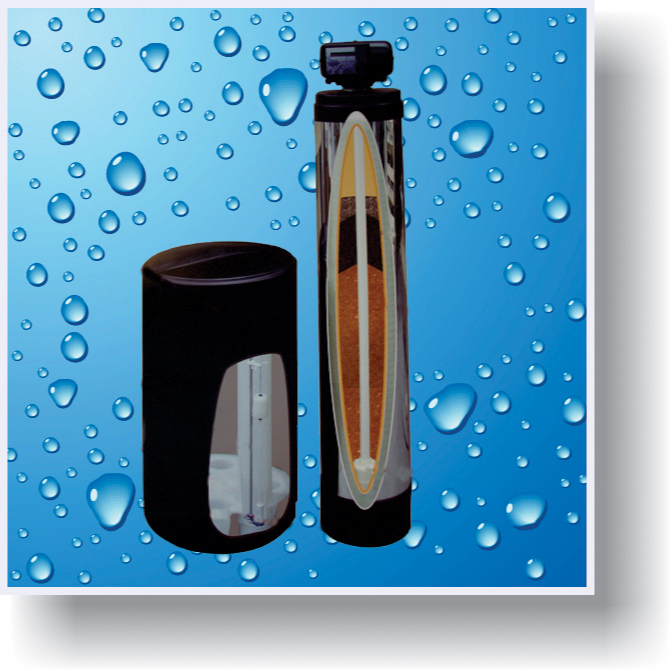
To do the ion replacement, the water in the house runs through a resin bed of small plastic beads or zeolite. The beads are covered with sodium or potassium ions. As the water flows past the ions, they swap places with the calcium and magnesium ions. Eventually, the beads contain nothing but calcium and magnesium, and softening stops. It is then time to regenerate the beads or zeolite
-
To regenerate, the beads need to regain their sodium or potassium ions by being flooded with a salty, brine solution that is rich in sodium or potassium.
-
Once completed, the calcium and magnesium, dirt and sediments are flushed from the beads and into the drain in a process called backwash.
-
The final phase rinses the mineral tank with fresh water and loads the brine tank so it's ready for the next cycle.